


Client: 38-year-old female
Main concern: seasonal dullness, mild dehydration, uneven texture
Visible signs: lack of radiance, surface buildup, slight cheek redness, tired-looking skin
Treatment time: 60 minutes
Protocol goal: help the skin look smoother, fresher, more hydrated, and more radiant
Key steps: cleansing, dermaplaning, enzyme refinement, oxygen serum infusion, oxygen dome, LED, finishing care
Visible result: smoother-looking texture, brighter complexion, hydrated-looking glow, and a more refreshed finish
Main concern: seasonal dullness, mild dehydration, uneven texture
Visible signs: lack of radiance, surface buildup, slight cheek redness, tired-looking skin
Treatment time: 60 minutes
Protocol goal: help the skin look smoother, fresher, more hydrated, and more radiant
Key steps: cleansing, dermaplaning, enzyme refinement, oxygen serum infusion, oxygen dome, LED, finishing care
Visible result: smoother-looking texture, brighter complexion, hydrated-looking glow, and a more refreshed finish
A 38-year-old client presented with seasonal dullness, mild dehydration, uneven-looking texture, slight cheek redness, and a tired-looking complexion.
After one 60-minute professional session performed by Ashley Ford, Licensed Esthetician, the skin appeared smoother, brighter-looking, more hydrated-looking, and visibly refreshed.
The result came from a clear sequence: first improving the skin surface, then supporting hydration and radiance with oxygen-assisted finishing.
After one 60-minute professional session performed by Ashley Ford, Licensed Esthetician, the skin appeared smoother, brighter-looking, more hydrated-looking, and visibly refreshed.
The result came from a clear sequence: first improving the skin surface, then supporting hydration and radiance with oxygen-assisted finishing.
Case at a Glance
Layered Oxygen Facial Protocol for Seasonal Dullness and Dehydrated-Looking Skin


My goal has always been simple: help clients feel confident in their skin


“
“
Meet the Licensed Esthetician Behind This Case
For this case, that meant building a spring reset protocol around surface refinement, hydration support, and a calm-looking finish.
Ashley Ford is a licensed esthetician and owner based in Wilmington, North Carolina. Her work focuses on acne care, brow artistry, and holistic skin support.
Glow depends heavily on the condition of the skin surface.
In this case, the main focus was the stratum corneum — the outermost layer of the epidermis. When dry corneocytes, buildup, residue, and vellus hair sit on the surface, the skin looks less smooth and light reflects less evenly.
In this case, the main focus was the stratum corneum — the outermost layer of the epidermis. When dry corneocytes, buildup, residue, and vellus hair sit on the surface, the skin looks less smooth and light reflects less evenly.
Why the Skin Looked Dull Before Treatment
Ashley noticed three key signs:


Slight cheek redness
Mild dehydration
The forehead and central face looked less plump and less luminous.
The skin needed refinement with a gentle, comfort-focused finish.
Uneven surface texture
Dead skin buildup and vellus hair made the skin look less smooth.
From Surface Prep to Oxygen Finish
Protocol Strategy:


Ashley followed a sequence where each step prepared the skin for the next one
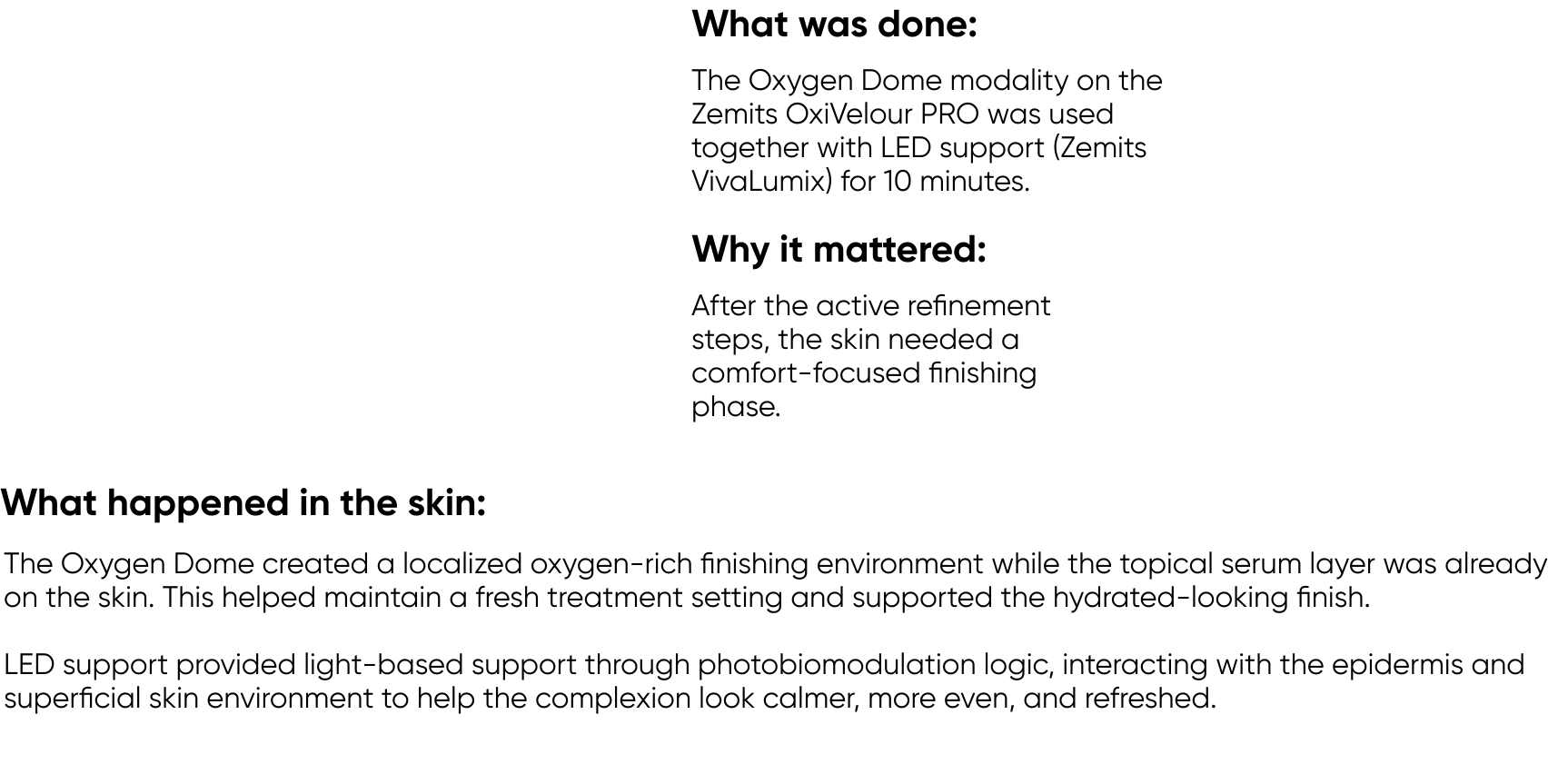
Step 5. Oxygen Dome + LED Therapy

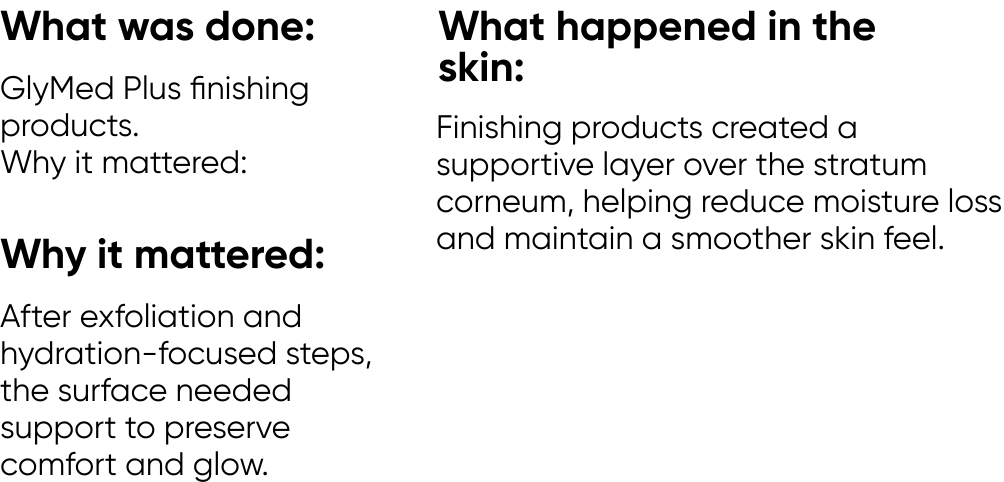
Step 6. Finishing Products
Why Oxygen Therapy Worked in This Protocol
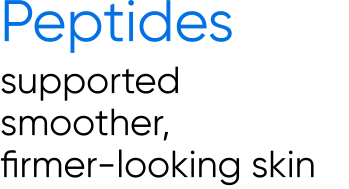
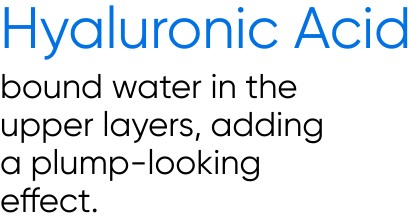
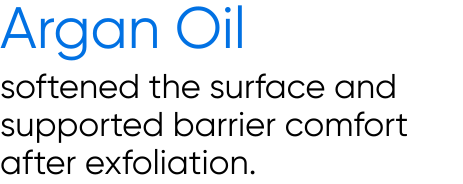
How the ingredients supported the result:
Step 4. Oxygen-Assisted Serum Application
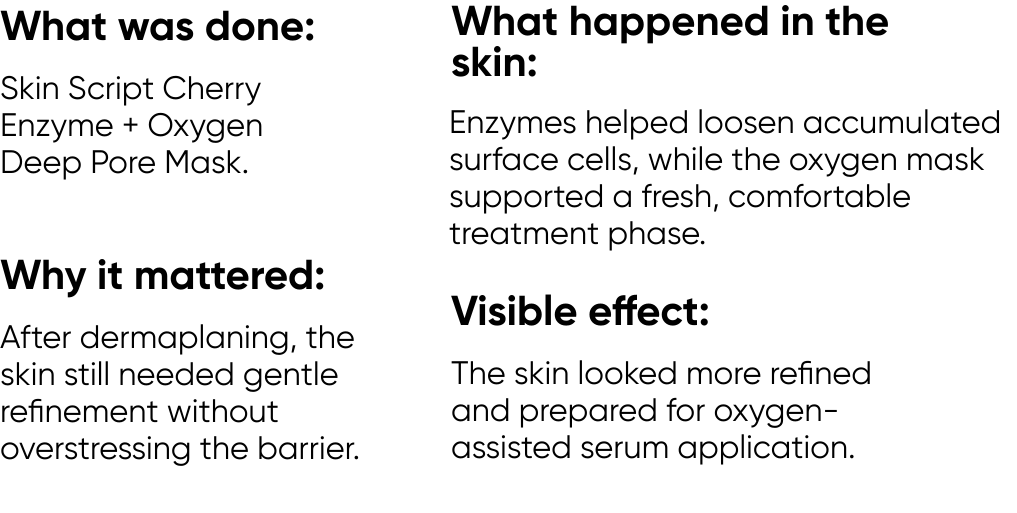
Step 3. Enzyme + Oxygen Mask
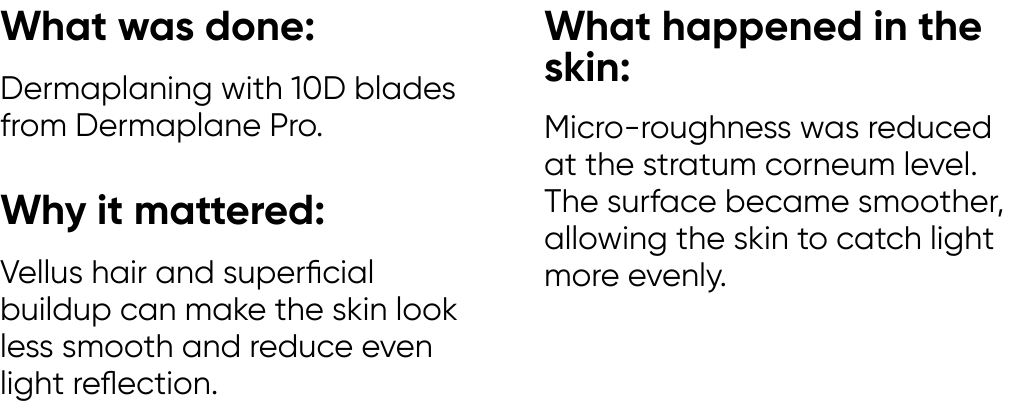
Step 2. Dermaplaning
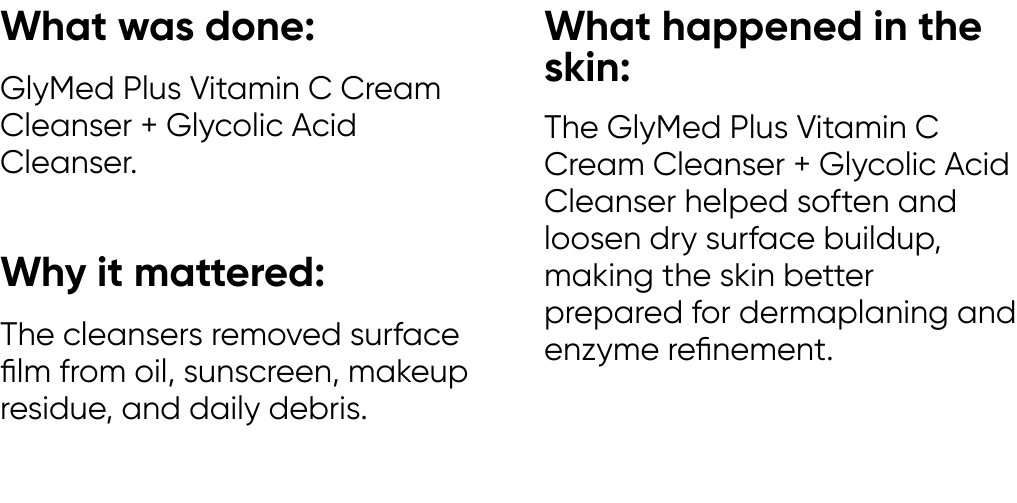
Step 1. Double Cleanse





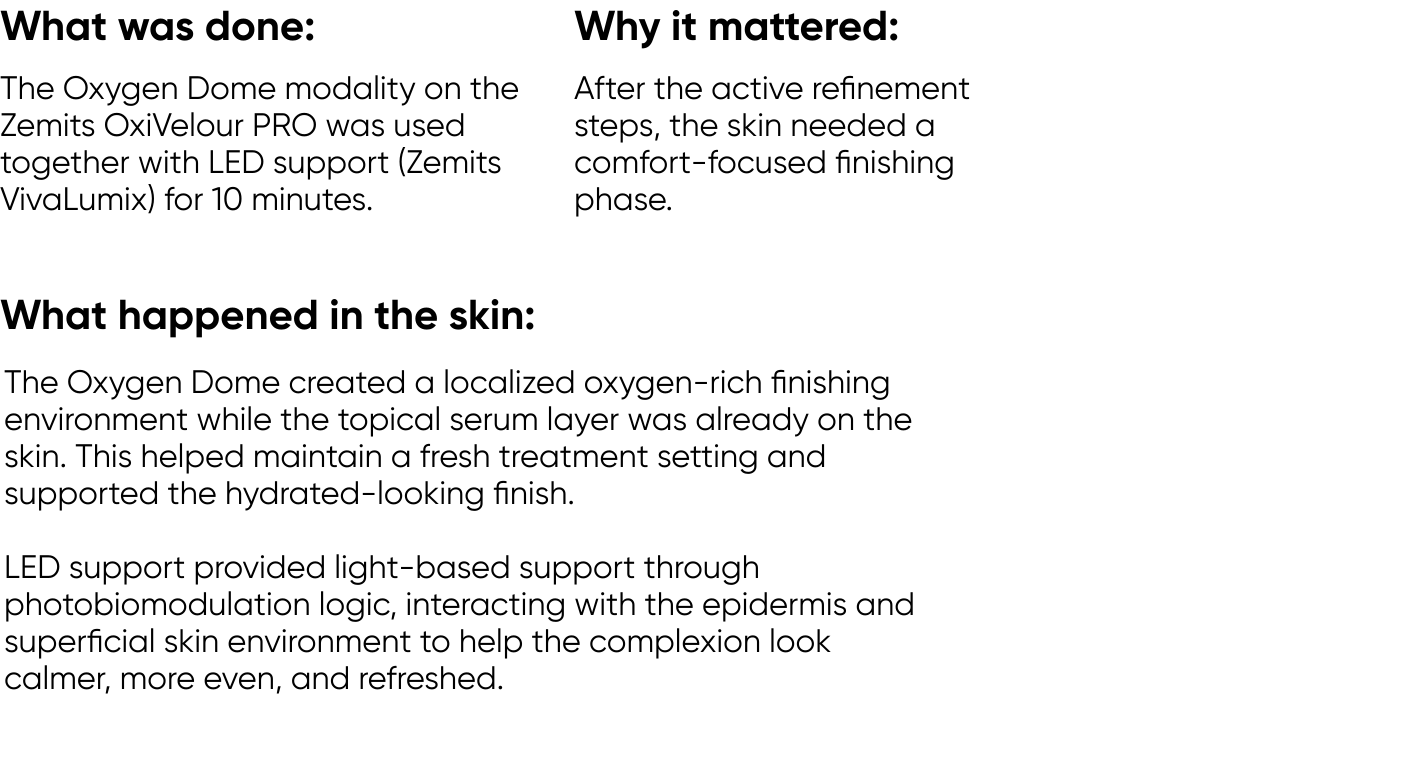

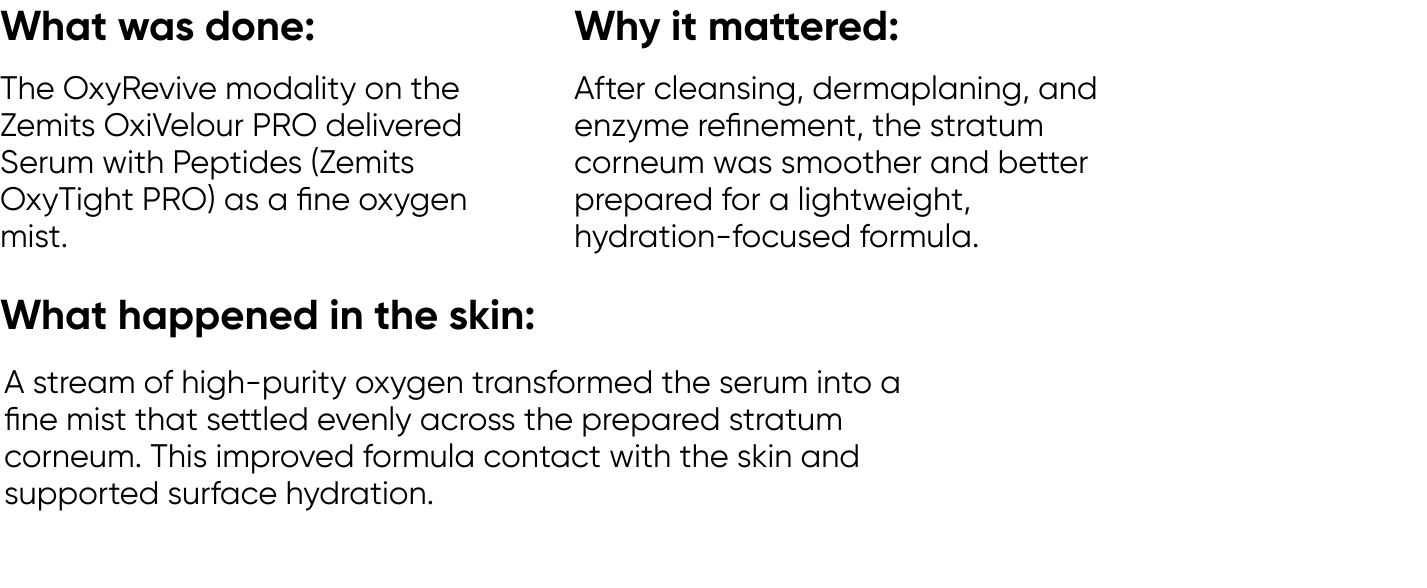
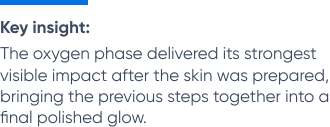
Oxygen therapy acted as the final result enhancer because it was used after the skin surface had already been prepared.
At this stage, OxyRevive delivered Zemits OxyTight PRO Serum through a controlled oxygen stream, helping fine cosmetic molecules spread evenly across the stratum corneum. Under the Oxygen Dome, the serum layer could settle on the skin and remain in close surface contact, creating better conditions for continued absorption. LED support added the last light-based layer, creating a serum + oxygen + light synergy.
At this stage, OxyRevive delivered Zemits OxyTight PRO Serum through a controlled oxygen stream, helping fine cosmetic molecules spread evenly across the stratum corneum. Under the Oxygen Dome, the serum layer could settle on the skin and remain in close surface contact, creating better conditions for continued absorption. LED support added the last light-based layer, creating a serum + oxygen + light synergy.

Visible Results After One Treatment
After one 60-minute session, the skin appeared smoother, brighter-looking, and more hydrated-looking.
The biggest visible change was reflectivity. The forehead, cheeks, and central face looked more even, polished, and luminous.
The biggest visible change was reflectivity. The forehead, cheeks, and central face looked more even, polished, and luminous.
Observed cosmetic outcomes:
- Smoother-looking texture
- More even light reflection
- Hydrated-looking finish
- Brighter-looking complexion
- Improved visible radiance after one session


Final Takeaway for Estheticians
See the Protocol
in Action
in Action
The video shows how oxygen-assisted serum application and the Oxygen Dome can be integrated after exfoliation and serum selection.
This case shows how a layered oxygen facial protocol can support a visible spring reset after one professional session.
Ashley’s protocol worked because it followed the skin’s visible biology: smooth the surface first, then support hydration and radiance with oxygen-assisted finishing.
Technology works best when it is placed in the right sequence.
Ashley’s protocol worked because it followed the skin’s visible biology: smooth the surface first, then support hydration and radiance with oxygen-assisted finishing.
Technology works best when it is placed in the right sequence.