


A Multi-Step Body-Contouring Protocol: A Smoother Silhouette in One Month
The client came in wanting a smoother, more toned-looking body. To get there, Giezi Chacón built the protocol around the condition of the tissue and the client's goals, combining several technologies in a purposeful sequence:
After one month, this 35-year-old client’s body contours appeared smoother, more even in texture, and more defined.
Lymphatic prep → EndoLuxx roller massage →
EndoRF L (vacuum-roller + RF + IR) → Cavitation
EndoRF L (vacuum-roller + RF + IR) → Cavitation


Giezi Chacón
The Esthetician Behind the Protocol:
This protocol was performed by Giezi Chacón, an esthetic educator and Official Zemits Representative

Certified Instructor:
PhiBrows Microblading · PhiBright Microneedling · PhiLashes Classic
PhiBrows Microblading · PhiBright Microneedling · PhiLashes Classic
Founder of a professional esthetic community and training programs
Master of Science in Digital Marketing
Speaker for Casmara (2017–2023)

Client: woman, ~35 years old, Fitzpatrick phototype IV
Area: whole body
Main request: a smoother, more toned, more defined-looking body appearance
Visible signs: the appearance of cellulite, a softer surface texture, a blurred contour
Duration: ~90-minute protocol; ~1-month course (10 EndoRF/EndoLuxx sessions + 6 cavitations)
Visible result: smoother texture and a more defined silhouette in one month
Area: whole body
Main request: a smoother, more toned, more defined-looking body appearance
Visible signs: the appearance of cellulite, a softer surface texture, a blurred contour
Duration: ~90-minute protocol; ~1-month course (10 EndoRF/EndoLuxx sessions + 6 cavitations)
Visible result: smoother texture and a more defined silhouette in one month
Skin density
The dermal scaffold of collagen and elastin is what gives skin its "springy" look. When that scaffold looks less taut, the surface reads as softer and the contour as less defined
Temporary puffiness
Excess surface fluid can make an area look "fuller" and blur the contour, so the defined shape reads less clearly
Subcutaneous tissue structure, septa, and the look of cellulite
Beneath the skin, the subcutaneous layer is organized into small compartments separated by connective-tissue bands called septa. When the underlying subcutaneous tissue interacts with these septa and the skin above, the surface starts to look bumpy — the familiar "orange-peel" effect. This is influenced less by body size alone and more by how the subcutaneous layer, septa, and skin interact at the surface — which is why two bodies at the same weight can have very different texture
The Request & Protocol Goals
What the Tissue Was Showing
Key insight
the tissue presentation suggested a combined influence of subcutaneous structure, skin appearance, and temporary puffiness on how the area looked. That's exactly why reading the tissue first helps identify the leading factor and match the protocol to it.


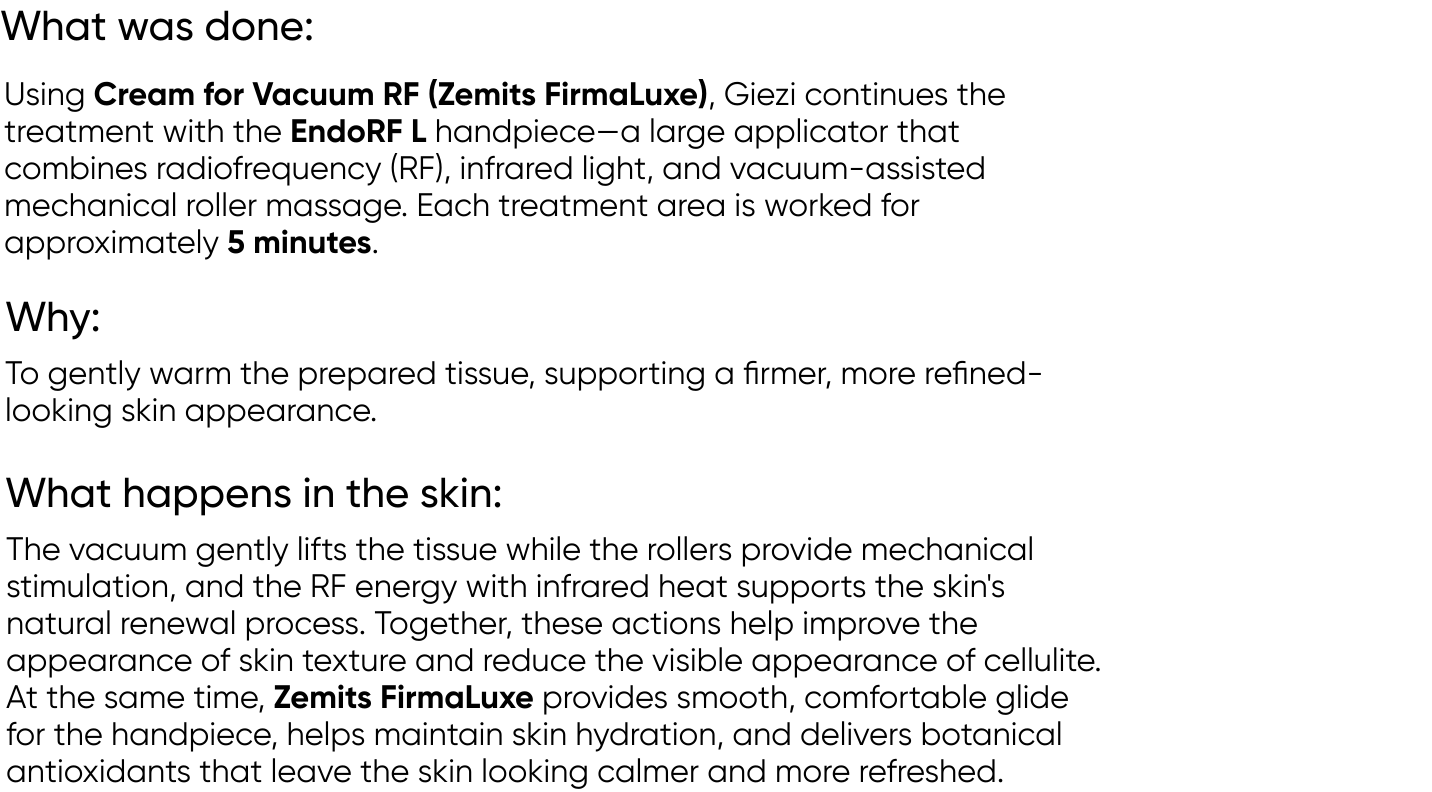
Giezi performed the protocol in the following sequence:
Protocol Logic:
How Each Step Built the Result
How Each Step Built the Result
Step 4. Cavitation
Step 3. EndoRF L on the
Zemits Bionexis Lite Pro
Zemits Bionexis Lite Pro
Step 2. Roller Massage
Step 1. Lymphatic Prep




After the one-month course, visible improvements in appearance included:
Why the Sequence Made Sense
One session (~90 min):
- Lymphatic prep: activate the lymphatic points to "open" the area.
- EndoLuxx rollers: 5 minutes per zone, whole body (with DazzleSkin oil).
- EndoRF L: same oil, 5 minutes per zone — ~60 minutes of total massage together with the previous step.
- Cavitation (Ultra C): day 1 — 20 minutes on the abdomen; day 2 — the same massage focused on the waist + 10 minutes on the legs (5 minutes each).
- smoother in surface texture
- more even and uniform
- more toned-looking and refined
- with a softer look to the appearance of cellulite
- with a clearer, more refined-looking contour across the abdomen and waist
Save This Sequence
As early as the first session, the client noticed smoother-looking texture and a more refined surface appearance — and watched the effect build over the following days.
Course cadence:
2 sessions per week, ~2 days apart, over ~1 month — 10 EndoRF/EndoLuxx sessions + 6 cavitations in total.
2 sessions per week, ~2 days apart, over ~1 month — 10 EndoRF/EndoLuxx sessions + 6 cavitations in total.
Zemits Technologies Used in This Protocol
Next Generation Coming Soon
Advanced Zemits Qumotion System
Advanced Zemits Qumotion System
